


14
2025
-
08
Sustainability in Packaging: The Role of 250ml Stubby Cans
Sustainability in Packaging: The Role of 250ml Stubby Cans
Table of Contents
1. Introduction to Sustainable Packaging
2. Understanding 250ml Stubby Cans
3. Environmental Benefits of 250ml Stubby Cans
3.1. Reducing Carbon Footprint
3.2. Lightweight and Recyclable
4. Consumer Trends and Preferences
4.1. The Shift Towards Eco-Friendly Choices
4.2. The Influence of Millennials and Gen Z
5. Innovations in Stubby Can Design
5.1. Aesthetic Appeal
5.2. Functional Features
6. Comparative Analysis: Stubby Cans vs. Other Packaging Options
7. Case Studies of Brands Embracing Stubby Cans
8. FAQs on Sustainability and Stubby Cans
9. Conclusion
1. Introduction to Sustainable Packaging
Sustainability has transitioned from a buzzword to a necessity in today's packaging industry. Companies are under increasing pressure to adopt eco-friendly practices that not only align with consumer values but also help in mitigating environmental challenges. Among various packaging solutions, **250ml stubby cans** are gaining traction as a sustainable option due to their size, material, and design. This article explores how these cans contribute to a more sustainable future while catering to consumer demands.
2. Understanding 250ml Stubby Cans
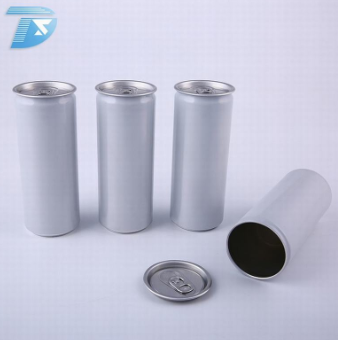
**250ml stubby cans** are compact, stout containers primarily used for beverages, including beer, soft drinks, and energy drinks. Their unique design sets them apart from traditional cans, offering a balance of functionality and aesthetic appeal. Made from aluminum, these cans are lightweight yet durable, making them a favorite among manufacturers and consumers alike.
3. Environmental Benefits of 250ml Stubby Cans
The environmental impact of packaging is a crucial consideration for brands today. **250ml stubby cans** offer several benefits that contribute positively to sustainability.
3.1. Reducing Carbon Footprint
The production process for aluminum cans is energy-intensive; however, the lightweight nature of **stubby cans** means that less energy is required for transportation. Their compact size allows for more efficient stacking and shipping, ultimately reducing the carbon footprint associated with logistics.
3.2. Lightweight and Recyclable
Aluminum is 100% recyclable without losing quality. **250ml stubby cans** can be recycled indefinitely, making them a sustainable choice. In fact, recycling aluminum saves up to 95% of the energy needed to produce new aluminum from raw materials, significantly lowering environmental impact.
4. Consumer Trends and Preferences
As sustainability becomes a central concern for consumers, their preferences are shifting toward products that reflect eco-friendly values.
4.1. The Shift Towards Eco-Friendly Choices
Recent studies indicate that consumers are more willing to pay a premium for products packaged in environmentally friendly materials. The **250ml stubby can** aligns perfectly with this trend, offering an attractive solution that meets both aesthetic and ethical considerations.
4.2. The Influence of Millennials and Gen Z
Younger consumers, particularly Millennials and Gen Z, are driving the demand for sustainable packaging. They actively seek brands that demonstrate a commitment to environmental responsibility. This demographic favors **stubby cans** not only for their eco-friendliness but also for their trendy and modern appearance.
5. Innovations in Stubby Can Design
Design plays a pivotal role in consumer choice. The **250ml stubby can** has undergone various innovations to enhance its appeal and functionality.
5.1. Aesthetic Appeal
Modern consumers value aesthetics as much as functionality. The compact and sleek design of **stubby cans** complements contemporary branding strategies, allowing for vibrant graphics and unique shapes that stand out on shelves.
5.2. Functional Features
Many brands are incorporating functional features into their **stubby cans**, such as resealable lids and easy-to-open tabs. These innovations not only enhance user experience but also promote sustainability by encouraging consumers to reuse their cans.
6. Comparative Analysis: Stubby Cans vs. Other Packaging Options
To understand the significance of **250ml stubby cans**, it's essential to compare them with other packaging options such as glass bottles and plastic containers.
- **Weight and Transportation**: Stubby cans are significantly lighter than glass, which reduces transportation costs and emissions.
- **Breakage**: Unlike glass, **stubby cans** are unbreakable and can withstand rough handling, making them safer for consumers and reducing waste from broken packaging.
- **Recyclability**: While glass is recyclable, it can also lose quality over time. **Stubby cans**, on the other hand, maintain their integrity through multiple recycling processes.
7. Case Studies of Brands Embracing Stubby Cans
Several brands have successfully adopted **250ml stubby cans** to enhance their sustainability efforts.
- **Craft Beverage Companies**: Many craft breweries have switched to stubby cans due to their ability to showcase artistic labels while promoting eco-friendly practices.
- **Soda Brands**: Major soda brands have introduced **stubby cans** as limited-edition packaging, appealing to consumers looking for fun and sustainable options.
These case studies exemplify how brands can align their packaging choices with broader sustainability goals while resonating with consumer preferences.
8. FAQs on Sustainability and Stubby Cans
**Q1: Are 250ml stubby cans fully recyclable?**
A: Yes, aluminum cans, including **250ml stubby cans**, are 100% recyclable and can be recycled indefinitely without losing quality.
**Q2: How do stubby cans reduce carbon emissions?**
A: Their lightweight design means lower transportation costs and energy consumption during shipping, contributing to a reduced carbon footprint.
**Q3: Are there any downsides to using 250ml stubby cans?**
A: While they offer many benefits, some consumers may prefer glass for certain beverages due to taste or perceived quality.
**Q4: Can stubby cans be reused?**
A: Yes, consumers can repurpose **stubby cans** for various uses, promoting a culture of reuse alongside recycling.
**Q5: What materials are used to make stubby cans?**
A: **250ml stubby cans** are primarily made from aluminum, a material known for its recyclability and lightweight properties.
9. Conclusion
The role of **250ml stubby cans** in sustainable packaging is more significant than ever. By offering a lightweight, recyclable, and aesthetically pleasing solution, these cans cater to the growing consumer demand for eco-friendly options. As brands continue to innovate and adapt to sustainability trends, it is clear that **stubby cans** are at the forefront of a packaging revolution, aligning environmental responsibility with modern consumer preferences. Embracing these cans not only benefits the planet but also enhances brand loyalty and consumer satisfaction.
EOE lid
Related information

CONTACT US.CONTACT US.
Shaoxing Tongshide Imp.&Exp. Co., Ltd.
Whatsapp:+86-15215927772
E-mail:alibaba@tongshide.com
Add:Room 1111, No.4 Business Building Paozhong North Road, No.204, West Zone of Nanan Garden, Paojiang, Shaoxing

Scan to add WeChat


