


20
2025
-
11
How Beverage Cans Are Revolutionizing the Drink Industry
How Beverage Cans Are Revolutionizing the Drink Industry
Table of Contents
1. Introduction to Beverage Cans
2. The Evolution of Beverage Can Technology
3. Sustainability in Beverage Cans
3.1 Environmental Benefits of Using Cans
3.2 Recycling and the Circular Economy
4. Consumer Preferences and Trends
4.1 The Rise of Craft Beers and Canned Cocktails
4.2 Health-Conscious Choices in Beverage Packaging
5. Innovative Designs and Marketing Strategies
5.1 Aesthetic Appeal and Branding
5.2 Interactive Packaging: Engaging Consumers
6. Durable and Lightweight: The Practical Advantages
7. Challenges Facing the Beverage Can Industry
8. Future Outlook for Beverage Cans
9. FAQs about Beverage Cans
10. Conclusion: The Future is Canned
1. Introduction to Beverage Cans
In the competitive landscape of the drink industry, **beverage cans** have emerged as a pivotal force, transforming not only how drinks are packaged but also how they are perceived by consumers. The evolution of metal packaging has led to significant advancements, making cans an essential part of the beverage experience. In this article, we delve into the multifaceted ways beverage cans are revolutionizing the drink industry, exploring technological innovations, sustainability efforts, consumer trends, and future possibilities.
2. The Evolution of Beverage Can Technology
The journey of beverage cans began in the early 19th century, transitioning from basic tin cans to the sophisticated aluminum cans we see today. Modern technology has enabled manufacturers to produce lighter, stronger, and more cost-effective containers.
Manufacturers have incorporated advanced printing techniques, allowing for vibrant designs that appeal to consumers. **Canning lines** have become more efficient, reducing production costs and lead times. This technological evolution has not only improved the quality of the product inside but also enhanced the overall consumer experience.
3. Sustainability in Beverage Cans
As the world becomes increasingly aware of environmental issues, sustainability has taken center stage in the beverage industry. Cans are inherently more sustainable than many other packaging options available today.
3.1 Environmental Benefits of Using Cans
Beverage cans are made primarily from aluminum, which is widely recognized for its recyclability. They can be recycled indefinitely without loss of quality, making them an excellent choice for environmentally conscious consumers. Using **recyclable materials** significantly reduces the carbon footprint of beverage production.
Additionally, the lightweight nature of aluminum cans leads to lower transportation emissions, as more cans can be shipped at once compared to heavier glass bottles.
3.2 Recycling and the Circular Economy
The recycling process for aluminum cans is highly efficient. According to the Aluminum Association, more than **75% of all aluminum ever produced is still in use today**. This commitment to a **circular economy** ensures that resources are utilized effectively, minimizing waste and promoting sustainable manufacturing practices.
Moreover, many beverage companies are taking steps to encourage recycling by implementing deposit return schemes and educational campaigns. These initiatives not only promote responsible consumer behavior but also enhance brand loyalty.
4. Consumer Preferences and Trends
The popularity of beverage cans is not merely a passing trend; it reflects a fundamental shift in consumer preferences. Understanding these trends is essential for beverage manufacturers looking to thrive in a competitive market.
4.1 The Rise of Craft Beers and Canned Cocktails
Craft beverages have exploded in popularity, with many breweries and distilleries opting for cans over traditional glass bottles. **Canned craft beers** and **canned cocktails** provide convenience and portability, appealing to a broader audience. The ability to produce cans in small batches allows producers to experiment with flavors while maintaining a fresh product.
This shift has led to a rethinking of how consumers experience beverages. Cans are often seen as more casual and accessible, inviting consumers to try new products without the commitment associated with larger glass bottles.
4.2 Health-Conscious Choices in Beverage Packaging
With an increasing focus on health and wellness, consumers are also gravitating toward **healthier drink options** packaged in cans. Low-calorie drinks, sparkling water, and functional beverages that promote health benefits have found a natural home in aluminum cans.
Packaging plays a crucial role in marketing these products, as consumers often associate cans with freshness and convenience, further driving sales in this segment.
5. Innovative Designs and Marketing Strategies
The beverage can industry is not just about packaging; it's also a canvas for branding and marketing. The design of a can can significantly influence consumer purchasing decisions.
5.1 Aesthetic Appeal and Branding
Modern consumers are drawn to aesthetically pleasing designs. Beverage companies invest in graphic design to create visually striking cans that attract attention on store shelves. Innovative artwork, vibrant colors, and unique shapes can make a product stand out, creating a memorable brand identity.
Limited edition designs and collaborations with artists or celebrities can also create buzz and drive sales, tapping into the collectors' market.
5.2 Interactive Packaging: Engaging Consumers
Interactive packaging is an emerging trend in the beverage industry, particularly among younger consumers. Cans equipped with QR codes or augmented reality features can enhance the user experience, providing additional content such as recipes, stories about the brand, or promotional offers.
This interactivity not only engages consumers but also fosters brand loyalty, as customers feel a deeper connection to the products they consume.
6. Durable and Lightweight: The Practical Advantages
The practical advantages of beverage cans extend beyond their environmental benefits. Cans are durable and lightweight, making them ideal for various settings, from picnics to concerts.
Their resistance to breakage is a significant advantage over glass bottles, reducing the likelihood of spills and accidents. This durability makes cans an ideal choice for outdoor events and transport. Additionally, the lightweight nature of cans allows for more efficient shipping, reducing costs for manufacturers and consumers alike.
7. Challenges Facing the Beverage Can Industry
Despite the numerous advantages of beverage cans, the industry faces several challenges. Competition from alternative packaging, such as glass and plastic, continues to rise.
Increasing raw material costs and supply chain disruptions can impact production. In addition, consumer expectations are evolving, necessitating continuous innovation to meet demand for sustainability and functionality.
To remain competitive, companies must invest in research and development, exploring new materials and technologies that enhance the can's appeal while addressing environmental concerns.
8. Future Outlook for Beverage Cans
The future of beverage cans looks promising, with ongoing innovations expected to drive changes in the industry. As consumer awareness of sustainability grows, the demand for eco-friendly packaging is likely to increase.
Innovations in materials, such as biodegradable linings and enhanced recycling technologies, will further solidify the can's position as a leading packaging choice.
Furthermore, as brands continue to seek ways to differentiate themselves, we can expect more creative and interactive packaging solutions that engage consumers and elevate their drinking experience.
9. FAQs about Beverage Cans
1. Are beverage cans recyclable?
Yes, beverage cans are 100% recyclable and can be recycled indefinitely without losing quality.
2. What are the environmental benefits of using aluminum cans?
Aluminum cans have a lower carbon footprint compared to glass and plastic, and their recycling process uses significantly less energy.
3. Why are cans becoming more popular than glass bottles?
Cans offer convenience, portability, and sustainability, making them a favored choice among consumers, particularly for outdoor activities.
4. Can the design of a can influence consumer purchasing decisions?
Absolutely! Eye-catching designs and branding can significantly impact consumers' choices at the point of sale.
5. What challenges does the beverage can industry face?
The industry faces challenges such as rising raw material costs, competition from alternative packaging, and evolving consumer expectations for sustainability and functionality.
10. Conclusion: The Future is Canned
Beverage cans are more than just a packaging option; they represent a shift in consumer habits, sustainability efforts, and technological advancements. As the drink industry continues to evolve, cans will remain at the forefront, offering a versatile and eco-friendly solution that meets the demands of modern consumers. Embracing innovation and sustainability will ensure that beverage cans continue to revolutionize the drink industry for years to come.
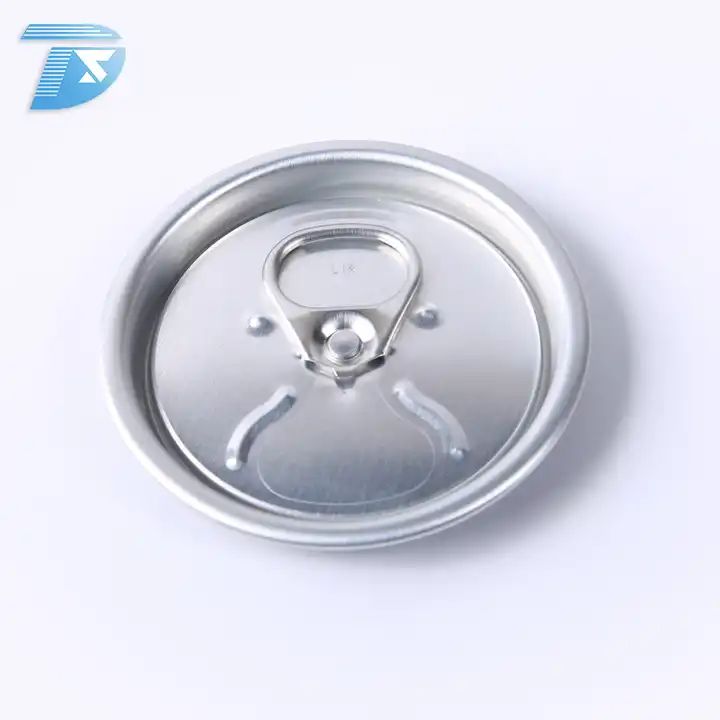
EOE lid
Related information

CONTACT US.CONTACT US.
Shaoxing Tongshide Imp.&Exp. Co., Ltd.
Whatsapp:+86-15215927772
E-mail:alibaba@tongshide.com
Add:Room 1111, No.4 Business Building Paozhong North Road, No.204, West Zone of Nanan Garden, Paojiang, Shaoxing

Scan to add WeChat


