


29
2026
-
01
Understanding the Manufacturing Process of Beverage Cans: A Comprehensive Guide
Understanding the Manufacturing Process of Beverage Cans
Table of Contents
- 1. Introduction to Beverage Can Manufacturing
- 2. Raw Materials Used in Beverage Can Production
-
3. The Beverage Can Manufacturing Process
- 3.1 Stamping the Can Body
- 3.2 Drawing and Ironing the Can
- 3.3 Printing the Can Design
- 3.4 Forming the Can Ends
- 4. Quality Control Measures in Beverage Can Production
- 5. Sustainability in Beverage Can Manufacturing
- 6. Innovations in Beverage Can Technology
- 7. Conclusion
- 8. Frequently Asked Questions (FAQs)
1. Introduction to Beverage Can Manufacturing
The beverage can industry plays a crucial role in modern packaging, providing a lightweight, durable, and environmentally friendly solution for a diverse range of beverages. Understanding the manufacturing process of beverage cans is essential for industry stakeholders, including manufacturers, suppliers, and consumers. This comprehensive guide will walk you through each step of the can production journey, highlighting key aspects like raw materials, manufacturing techniques, quality control, and sustainability practices.
2. Raw Materials Used in Beverage Can Production
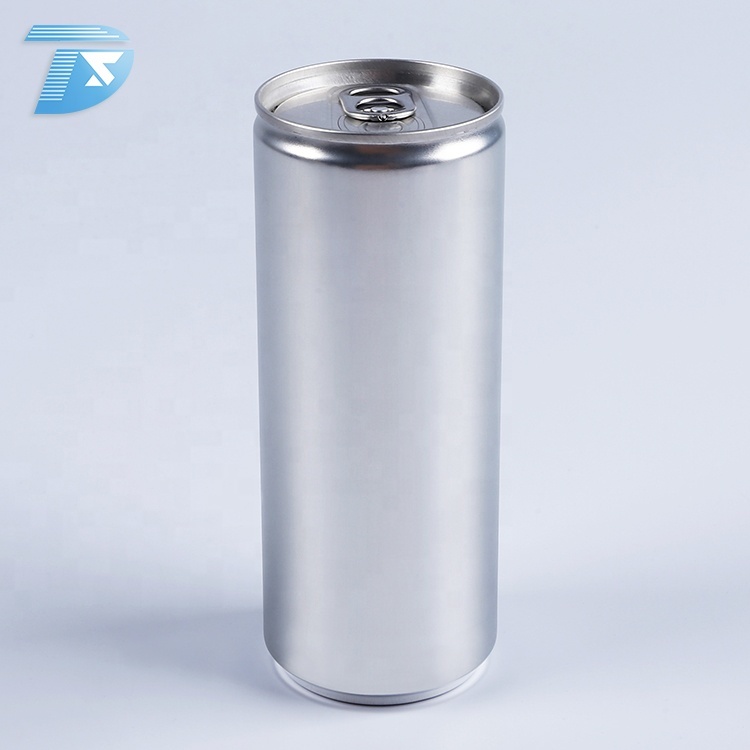
Beverage cans are predominantly made from aluminum, a lightweight and highly recyclable metal. The choice of raw materials significantly influences the can's performance, sustainability, and cost. Below are the primary materials involved in the can manufacturing process:
2.1 Aluminum
Aluminum is favored for its excellent barrier properties, corrosion resistance, and ability to be easily shaped. The aluminum utilized in can production typically comes from recycled sources, which significantly reduces the carbon footprint associated with mining and refining new aluminum.
2.2 Coatings
To enhance the durability and safety of beverage cans, various coatings are applied to the inner surface. These coatings prevent the beverage from reacting with the metal, ensuring product integrity and taste. Common coatings include epoxy-based and BPA-free options, catering to health-conscious consumers.
2.3 Printing Inks
The exterior of the can is adorned with vibrant designs, logos, and nutritional information, achieved through high-quality printing inks. These inks must be both visually appealing and safe, adhering to strict safety regulations.
3. The Beverage Can Manufacturing Process
The manufacturing process of beverage cans involves several intricate steps, each aimed at ensuring the final product meets industry standards and consumer expectations.
3.1 Stamping the Can Body
The process begins with large rolls of aluminum, which are fed into a stamping machine. This machine punches out flat discs, known as can blanks, from the aluminum sheets. The size and thickness of these discs are determined by the specifications of the final beverage can.
3.2 Drawing and Ironing the Can
In the next step, the can blanks undergo a process called "drawing" where they are formed into cup shapes. This step is critical for achieving the desired height and diameter of the can. Following this, "ironing" takes place, where the cups are stretched and thinned to enhance their structural integrity while reducing weight.
3.3 Printing the Can Design
Once the can bodies are shaped, they are sent to printing stations. Advanced printing technologies, such as digital and flexographic printing, allow for vibrant and detailed designs to be applied. The printing process is crucial for branding and product differentiation, making it a vital aspect of the manufacturing journey.
3.4 Forming the Can Ends
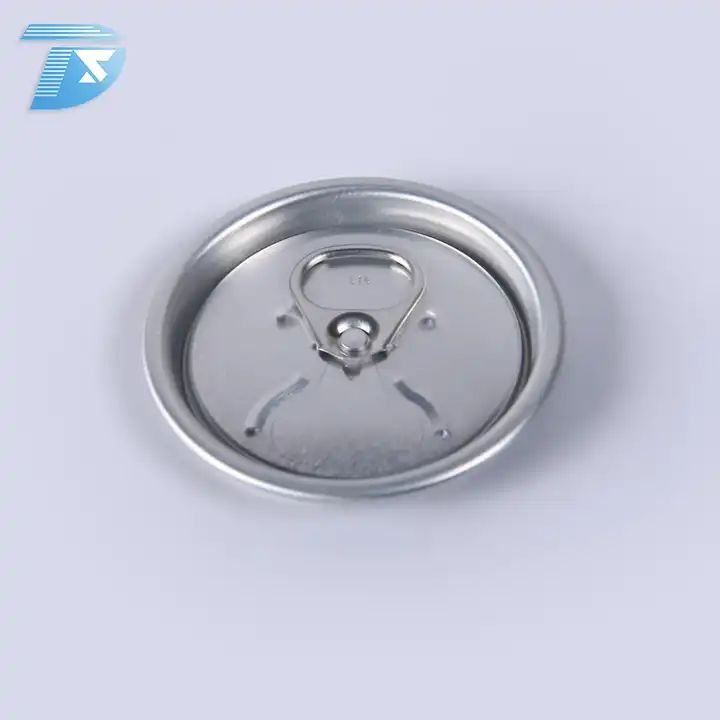
While the main body of the can is being manufactured, the ends are formed separately. The ends are equipped with features that ensure a tight seal, preventing leakage and preserving the beverage's freshness. The ends are also printed with essential information, such as production dates and product details.
4. Quality Control Measures in Beverage Can Production
Quality control is paramount in beverage can manufacturing. To ensure that every can meets stringent safety and performance standards, several checks are performed throughout the production process.
4.1 Visual Inspections
During various stages, visual inspections are conducted to identify defects such as dents, scratches, or inconsistencies in printing.
4.2 Pressure Testing
Cans undergo pressure testing to ensure they can withstand the internal pressure generated by carbonated beverages. This step is vital to prevent failures during transportation and storage.
4.3 Barrier Testing
To ensure product freshness, barrier testing evaluates the can's ability to prevent gas and moisture penetration. This testing ensures that the beverage maintains its quality throughout its shelf life.
5. Sustainability in Beverage Can Manufacturing
Sustainability is increasingly becoming a significant focus in the beverage can industry. The lightweight nature of aluminum cans contributes to lower transportation emissions, and their recyclability plays a pivotal role in reducing waste.
5.1 Recycling Initiatives
Aluminum cans can be recycled indefinitely without losing quality. Many manufacturers have implemented recycling initiatives that encourage consumers to return used cans for processing. This not only conserves resources but also reduces the environmental impact of can production.
5.2 Energy Efficiency Measures
The manufacturing process has become more energy-efficient, with advances in technology reducing energy consumption. Companies are adopting renewable energy sources and implementing energy recovery systems to minimize their carbon footprints.
6. Innovations in Beverage Can Technology
The beverage can industry is ripe with innovation, continuously evolving to meet consumer demands and environmental challenges.
6.1 Lightweight Designs
Innovations in materials and manufacturing techniques have led to the development of lighter cans, which reduce material usage and transportation costs.
6.2 Smart Cans
Emerging technologies are introducing smart cans, equipped with sensors that provide information about the beverage's freshness or temperature, enhancing the consumer experience.
6.3 Eco-Friendly Coatings
Developments in eco-friendly coatings are paving the way for safer and more sustainable options, allowing manufacturers to satisfy health-conscious consumers while maintaining can integrity.
7. Conclusion
Understanding the manufacturing process of beverage cans illuminates the complexities involved in producing one of the most efficient and sustainable packaging solutions available today. From the selection of raw materials to the intricate manufacturing technologies employed, every stage is designed to ensure that the final product meets high-quality standards while addressing environmental concerns. As the industry continues to innovate, it remains poised to adapt to changing consumer preferences and sustainability goals, solidifying its essential role in the modern beverage market.
8. Frequently Asked Questions (FAQs)
Q1: What materials are beverage cans made from?
A1: Beverage cans are primarily made from aluminum, which is lightweight, durable, and recyclable. Coatings and printing inks are also used to enhance the can's performance and appearance.
Q2: How are beverage cans recycled?
A2: Beverage cans can be recycled indefinitely without losing quality. Once collected, they are processed, melted down, and reformed into new cans or other aluminum products.
Q3: What makes aluminum cans eco-friendly?
A3: Aluminum cans are eco-friendly due to their recyclability and the reduced energy required to produce them from recycled materials. They also contribute to a lower carbon footprint during transportation.
Q4: How is quality controlled in beverage can manufacturing?
A4: Quality control measures include visual inspections, pressure testing, and barrier testing to ensure that the cans meet safety and performance standards.
Q5: What innovations are being introduced in the beverage can industry?
A5: Innovations include lightweight designs, smart cans with sensors, and eco-friendly coatings that enhance safety and sustainability while addressing consumer preferences.
This comprehensive guide provides a deep dive into the intricacies of beverage can manufacturing, ensuring that readers gain valuable insights into the processes, materials, and innovations shaping the industry today.
EOE lid
Related information

CONTACT US.CONTACT US.
Shaoxing Tongshide Imp.&Exp. Co., Ltd.
Whatsapp:+86-15215927772
E-mail:alibaba@tongshide.com
Add:Room 1111, No.4 Business Building Paozhong North Road, No.204, West Zone of Nanan Garden, Paojiang, Shaoxing

Scan to add WeChat


