


24
2024
-
12
The Environmental Impact of 425g Tuna Cans: A Comprehensive Analysis
The Environmental Impact of 425g Tuna Cans: A Closer Look
Table of Contents
- Introduction to Tuna Cans and Their Environmental Impact
- Understanding the Manufacturing Process of 425g Tuna Cans
- Materials Used in Tuna Can Production
- The Carbon Footprint of Tuna Can Production
- Recyclability of 425g Tuna Cans: What You Need to Know
- Sustainable Alternatives to Traditional Tuna Cans
- Consumer Awareness and Behavior Changes
- Future Trends in Tuna Packaging and Environmental Responsibility
- Conclusion: Making Informed Choices for a Better Planet
- Frequently Asked Questions
Introduction to Tuna Cans and Their Environmental Impact
As the global demand for canned seafood continues to rise, **425g tuna cans** have become a staple in many households. While these convenient containers provide an efficient way to preserve and transport tuna, they also raise significant environmental concerns. In this article, we examine the environmental implications of these cans, from their manufacturing processes to their ultimate disposal.
Understanding the Manufacturing Process of 425g Tuna Cans
The **manufacturing process** of tuna cans involves several stages that contribute to their environmental impact. Typically, the process includes the following steps:
1. Raw Material Extraction
The journey begins with the extraction of raw materials, primarily metal, typically aluminum or steel. The mining and processing of these metals consume substantial amounts of energy and resources, leading to habitat destruction and increased emissions.
2. Production and Forming
Once the raw materials are extracted, they undergo various processes, including casting, rolling, and forming. This stage also requires energy-intensive machinery, further contributing to the **carbon footprint** of the product.
3. Coating and Printing
To enhance the durability and aesthetic appeal of the cans, coatings and prints are applied. Many of these substances can contain harmful chemicals that may leach into the environment if not disposed of properly.
4. Filling and Sealing
The final step involves filling the cans with tuna and sealing them. While this stage may seem benign, it is essential to consider the energy consumed during cooking and preservation processes.
Materials Used in Tuna Can Production
The materials used in the production of 425g tuna cans can significantly impact their **environmental footprint**. The two primary materials are:
1. Metal
Tuna cans are predominantly made from aluminum or steel. While both materials are recyclable, the energy required for their production is high. For instance, producing new aluminum from ore requires 95% more energy than recycling existing aluminum.
2. Lining Coatings
Most tuna cans feature internal coatings to prevent corrosion and maintain the fish's freshness. These coatings, often made from resins, can contain hazardous materials such as bisphenol A (BPA), which raises health and environmental concerns.
The Carbon Footprint of Tuna Can Production
The **carbon footprint** of 425g tuna cans encompasses all stages of their lifecycle, from extraction to disposal. Key factors influencing the carbon footprint include:
1. Energy Consumption
The energy consumed during the production process contributes significantly to greenhouse gas emissions. As industries strive for energy efficiency, many manufacturers are exploring renewable energy sources to reduce their carbon footprints.
2. Transportation Emissions
After production, tuna cans must be transported to various locations. The transportation process, often reliant on fossil fuels, accounts for a considerable portion of the overall emissions associated with these products.
3. End-of-Life Impact
The disposal of tuna cans presents further environmental challenges. Cans that are not recycled contribute to landfill waste, where they can take decades to decompose. Unfortunately, improper disposal can lead to environmental contamination.
Recyclability of 425g Tuna Cans: What You Need to Know
One of the most critical aspects of the environmental impact of tuna cans is their **recyclability**. Understanding how to recycle these cans properly is essential for minimizing their impact.
1. Recycling Process
When recycled, aluminum and steel tuna cans can be reprocessed into new products, conserving resources and energy. The recycling process involves collecting, sorting, and melting the cans to create new metal sheets.
2. Barriers to Recycling
Despite their recyclability, many consumers fail to recycle tuna cans due to a lack of awareness or convenience. Initiatives aimed at improving education around recycling can play a crucial role in enhancing recycling rates.
3. Best Practices for Recycling
To ensure that your tuna cans are recycled, rinse them to remove residual food, flatten them to save space, and place them in the recycling bin. Following these steps can significantly improve recycling effectiveness.
Sustainable Alternatives to Traditional Tuna Cans
As consumers become increasingly aware of the environmental impact of packaging, several **sustainable alternatives** to traditional tuna cans are emerging:
1. Glass Jars
Glass jars offer a reusable and recyclable alternative to metal cans. They do not contain harmful coatings and can be repurposed after use, reducing waste.
2. Pouches
Flexible pouches made from recyclable materials are gaining popularity as an alternative packaging option. They are lightweight, reducing transportation emissions while still preserving product freshness.
3. Bulk Buying Options
Purchasing tuna in bulk reduces packaging waste significantly. By opting for larger containers, consumers can minimize the number of individual cans utilized.
Consumer Awareness and Behavior Changes
**Consumer awareness** plays a crucial role in driving demand for sustainable packaging solutions. As consumers become more educated about the environmental implications of their choices, they are more likely to seek eco-friendly products. This shift in behavior can encourage manufacturers to adopt sustainable practices, including:
1. Educating Consumers
Brands can engage in educational campaigns to raise awareness about recycling and the importance of sustainable packaging. Providing clear information on how to recycle tuna cans effectively can empower consumers to make informed choices.
2. Promoting Sustainable Practices
Manufacturers that prioritize sustainability in their packaging design can attract environmentally conscious consumers. By using recyclable materials and reducing waste, brands can enhance their public image and market share.
3. Supporting Environmental Initiatives
Businesses that actively support environmental initiatives can foster loyalty among consumers. Collaborating with organizations focused on sustainability can demonstrate a brand's commitment to reducing its ecological footprint.
Future Trends in Tuna Packaging and Environmental Responsibility
As the focus on sustainability intensifies, the **future of tuna packaging** is likely to evolve significantly. Key trends to watch include:
1. Biodegradable Materials
Research and development in biodegradable materials are underway, offering potential alternatives to traditional metal cans. These materials could significantly reduce environmental impact and improve the sustainability of tuna packaging.
2. Smart Packaging Solutions
Advancements in technology could lead to smart packaging solutions that provide real-time information about the product's freshness. This innovation could reduce food waste and improve consumer trust in packaged goods.
3. Circular Economy Initiatives
The shift towards a circular economy emphasizes reusing and recycling materials to minimize waste. Brands that adopt circular economy principles can reduce their overall environmental impact and contribute to a more sustainable future.
Conclusion: Making Informed Choices for a Better Planet
The environmental impact of 425g tuna cans is multifaceted, encompassing production, recyclability, and consumer behavior. Understanding these implications is crucial for making informed choices as consumers and manufacturers strive for sustainability. By prioritizing eco-friendly packaging options and promoting recycling practices, we can all play a role in reducing the environmental footprint associated with canned tuna. Embracing sustainable alternatives and remaining aware of our consumption habits will lead to a healthier planet for future generations.
Frequently Asked Questions
1. Are 425g tuna cans recyclable?
Yes, 425g tuna cans are recyclable. However, it's essential to rinse them and remove any food residue before placing them in the recycling bin.
2. What are sustainable alternatives to tuna cans?
Sustainable alternatives include glass jars, flexible pouches, and bulk buying options, which reduce packaging waste and environmental impact.
3. How can I properly dispose of tuna cans?
Rinse the cans to remove any food residue, flatten them for easier storage, and place them in your recycling bin.
4. What materials are used in tuna can production?
Tuna cans are primarily made from aluminum or steel, often lined with coatings to prevent corrosion.
5. What is the carbon footprint of tuna can production?
The carbon footprint of tuna can production includes emissions from raw material extraction, manufacturing processes, and transportation, contributing to environmental challenges.
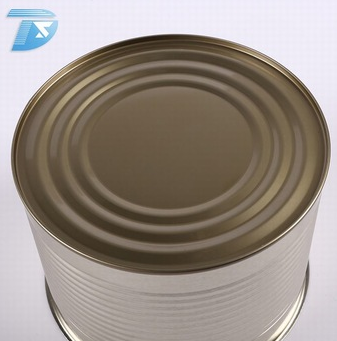
EOE lid


CONTACT US.CONTACT US.
Shaoxing Tongshide Imp.&Exp. Co., Ltd.
Whatsapp:+86-15215927772
E-mail:alibaba@tongshide.com
Add:Room 1111, No.4 Business Building Paozhong North Road, No.204, West Zone of Nanan Garden, Paojiang, Shaoxing

Scan to add WeChat


