


12
2025
-
01
Why Beverage Cans Are the Future of Sustainable Packaging
Why Beverage Cans Are the Future of Sustainable Packaging
Table of Contents
1. Introduction to Beverage Cans in Sustainable Packaging
2. Environmental Benefits of Beverage Cans
2.1 Reduced Carbon Footprint
2.2 Recycling Efficiency
2.3 Use of Recycled Materials
3. Economic Advantages of Using Beverage Cans
3.1 Cost-Effectiveness for Producers
3.2 Consumer Preferences and Market Trends
4. Innovations in Beverage Can Technology
4.1 Lightweight Materials
4.2 Enhanced Preservation Techniques
5. Beverage Cans vs. Other Packaging Types
5.1 Comparing Environmental Impact
5.2 Cost Analysis
6. Case Studies: Brands Leading the Way
7. Frequently Asked Questions (FAQs)
8. Conclusion: The Path Forward for Beverage Cans
1. Introduction to Beverage Cans in Sustainable Packaging
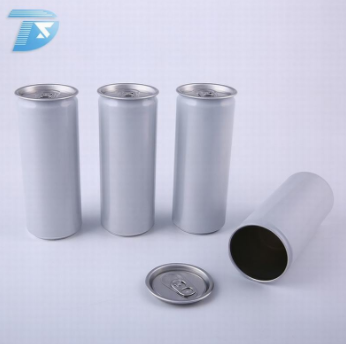
In the realm of packaging materials, the beverage can has emerged as a frontrunner in the quest for sustainability. With a growing global awareness of environmental issues, consumers and brands alike are seeking solutions that minimize ecological footprints. Beverage cans, primarily made from aluminum, offer a unique blend of durability, recyclability, and lightweight convenience. This article will explore the various aspects that position beverage cans as a critical component of sustainable packaging.
2. Environmental Benefits of Beverage Cans
The environmental impact of packaging choices cannot be overstated. Beverage cans provide significant benefits that contribute to a more sustainable planet.
2.1 Reduced Carbon Footprint
Beverage cans are manufactured using processes that produce lower greenhouse gas emissions compared to other packaging materials. The lightweight nature of aluminum means that transportation requires less energy, which translates into a lower carbon footprint throughout the supply chain. Additionally, the high recyclability rate of aluminum further diminishes the overall environmental impact.
2.2 Recycling Efficiency
Aluminum beverage cans are one of the most recycled packaging materials globally. In fact, they can be recycled indefinitely without losing quality. Recycling an aluminum can saves 95% of the energy required to produce a new can from raw materials. This efficiency not only conserves energy but also reduces the need for mining and processing bauxite ore, which contributes to habitat destruction and pollution.
2.3 Use of Recycled Materials
The use of recycled aluminum in the production of beverage cans is a game-changer for sustainability. Approximately 75% of all aluminum produced in the U.S. is still in use today, and a significant portion of new cans is made from recycled materials. This circular approach not only conserves resources but also promotes a more sustainable economy.
3. Economic Advantages of Using Beverage Cans
The shift towards beverage cans is not just an environmental imperative; it also presents substantial economic benefits.
3.1 Cost-Effectiveness for Producers
Producers find aluminum cans to be cost-effective due to their lightweight nature and lower transportation costs. Since aluminum is highly durable, it offers better product protection during shipping, reducing losses from breakage or spoilage. This translates to savings that can be passed on to consumers.
3.2 Consumer Preferences and Market Trends
Today's consumers are increasingly choosing brands that prioritize sustainability. This trend has led to a rise in demand for beverage cans among environmentally conscious brands. By adopting aluminum packaging, companies can enhance their marketability and appeal to a growing demographic of eco-aware consumers.
4. Innovations in Beverage Can Technology
The beverage can industry is experiencing a surge in innovation, driven by the need for enhanced sustainability and consumer engagement.
4.1 Lightweight Materials
Advancements in technology have resulted in the development of lighter aluminum cans that use less material without compromising strength. These innovations lead to reduced energy consumption during manufacturing and transportation, further enhancing the sustainability profile of beverage cans.
4.2 Enhanced Preservation Techniques
Innovations in canning technology have also improved the preservation of beverages. Modern cans are designed with better sealing mechanisms that protect against light and oxygen, extending the shelf life of products, reducing waste, and ensuring quality.
5. Beverage Cans vs. Other Packaging Types
To fully understand the advantages of beverage cans, it's essential to compare them with other common packaging materials.
5.1 Comparing Environmental Impact
When comparing beverage cans with plastic and glass, aluminum stands out for its recyclability and lower energy consumption. While glass can be recycled, it is heavier and requires more energy to transport. Plastic, on the other hand, has a significant environmental impact in terms of pollution and waste.
5.2 Cost Analysis
From a cost perspective, beverage cans are often more affordable for both producers and consumers. The stable pricing of aluminum and its recyclability make it a financially viable option for businesses looking to reduce packaging costs while appealing to eco-conscious consumers.
6. Case Studies: Brands Leading the Way
Several brands have successfully adopted beverage cans as part of their sustainable packaging strategy. For instance, major beverage companies are now using aluminum cans to reduce their carbon footprints while promoting recycling initiatives. These companies often highlight their commitment to sustainability in their marketing efforts, attracting environmentally conscious consumers.
7. Frequently Asked Questions (FAQs)
What are the environmental benefits of using beverage cans?
Beverage cans offer a reduced carbon footprint, high recycling efficiency, and the use of recycled materials, making them a sustainable choice.
How do beverage cans compare to plastic packaging?
Beverage cans are more recyclable and have a lower environmental impact compared to plastic packaging, which contributes significantly to pollution.
Are beverage cans cost-effective for producers?
Yes, the lightweight nature of aluminum cans reduces transportation costs, and their durability minimizes product loss, making them cost-effective for producers.
Can beverage cans be recycled indefinitely?
Yes, aluminum cans can be recycled indefinitely without losing quality, making them a valuable resource in sustainable packaging.
What innovations are being developed in the beverage can industry?
Innovations include lighter materials and enhanced preservation techniques that improve sustainability and product quality.
8. Conclusion: The Path Forward for Beverage Cans
As the world increasingly prioritizes sustainability, beverage cans stand out as a leading choice for eco-friendly packaging. Their environmental benefits, economic advantages, and ongoing innovations position them as the future of sustainable packaging in the beverage industry. By choosing beverage cans, brands not only contribute to a more sustainable planet but also align with the values of a growing base of eco-conscious consumers. The shift toward this packaging format is not just a trend; it is a necessary evolution in our approach to sustainability, heralding a greener future for all.
EOE lid
Related information

CONTACT US.CONTACT US.
Shaoxing Tongshide Imp.&Exp. Co., Ltd.
Whatsapp:+86-15215927772
E-mail:alibaba@tongshide.com
Add:Room 1111, No.4 Business Building Paozhong North Road, No.204, West Zone of Nanan Garden, Paojiang, Shaoxing

Scan to add WeChat


