


22
2025
-
05
How to Store 425g Tuna Cans for Maximum Longevity: The Ultimate
How to Store 425g Tuna Cans for Maximum Longevity
Storing 425g tuna cans correctly is crucial for maintaining their quality and ensuring that you can enjoy delicious and nutritious meals at any time. In this article, we will explore the best storage practices, optimal conditions, and tips to extend the shelf life of your tuna cans. Whether you buy in bulk or just a few cans, knowing how to store them properly can save you money and keep your pantry stocked with high-quality food.
Understanding the Shelf Life of Canned Tuna
Canned tuna is a popular choice for many households due to its long shelf life and versatility. However, it is essential to understand how long these cans can last when stored correctly.
Typical Expiration Dates of 425g Tuna Cans
Most manufacturers print a "best by" or "use by" date on the can. This date is typically **2 to 5 years** from the date of production. However, if stored correctly, canned tuna can often remain safe to eat beyond this date, with some cans remaining edible for **up to 10 years**.
Signs of Spoilage in Canned Tuna
Even if the can is within the expiration date, there are signs to look out for:
- **Dents or Bulges**: If the can is damaged, it may compromise the seal and lead to spoilage.
- **Rust**: Rust can indicate that moisture has entered the can.
- **Unpleasant Odors**: A foul smell upon opening is a clear sign that the tuna has gone bad.
- **Discoloration**: Tuna should retain its natural color. Any significant change may indicate spoilage.
Best Practices for Storing 425g Tuna Cans
To ensure maximum longevity of your tuna cans, follow these best practices for storage.
Optimal Conditions for Canned Tuna Storage
1. **Cool Temperature**: Store your tuna cans in a cool, dry place. The ideal temperature range is between **50°F and 70°F (10°C to 21°C)**. Avoid places that experience extreme temperatures, such as attics or garages.
2. **Dark Environment**: Exposure to light can degrade the quality of the food inside the can. Keeping them in a dark pantry or cupboard is ideal.
3. **Humidity Control**: Maintain a low humidity environment, as moisture can lead to rusting or corroding of the can's exterior.
Storing in the Pantry vs. Refrigerator
- **Pantry Storage**: The pantry is the preferred option for unopened tuna cans. It provides the stable temperature and darkness needed for optimal preservation.
- **Refrigerator Storage**: Once opened, any leftover tuna should be transferred to an airtight container and stored in the refrigerator. Consume within **3 to 4 days** for best quality.
Tips for Inventory Management
Proper inventory management can prevent waste and ensure that you use your tuna before it expires.
First In, First Out (FIFO) Method
Implement the FIFO method by placing newer cans behind older ones. This ensures that you use the older inventory first, minimizing the risk of spoilage.
Labeling Your Cans
Consider labeling your cans with the purchase date or expiration date. This practice helps you keep track of which cans need to be used sooner.
How to Utilize Leftover Canned Tuna Effectively
If you find yourself with leftover canned tuna, here are some creative ways to use it.
Recipes Featuring Canned Tuna
1. **Tuna Salad**: Combine canned tuna with mayonnaise, chopped celery, onions, and seasonings for a classic tuna salad.
2. **Tuna Pasta**: Mix tuna with cooked pasta, olive oil, cherry tomatoes, and spinach for a quick, nutritious meal.
3. **Taco Filling**: Spice up taco night by using canned tuna as a filling, topped with avocado and salsa.
Freezing Canned Tuna for Extended Use
For longer-term storage, consider freezing leftover tuna. Place it in an airtight container or freezer bag, and it can last up to **3 months** in the freezer. Remember to label it with the date.
Common Mistakes to Avoid When Storing Tuna Cans
Being aware of common mistakes can help you avoid pitfalls that may lead to spoilage.
Storing in Direct Sunlight
Avoid placing your tuna cans in areas where they receive direct sunlight. This exposure can lead to temperature fluctuations and degrade the quality of the food inside.
Neglecting to Check Expiration Dates
Regularly check the expiration dates of your canned tuna. This habit will ensure you consume older cans first and avoid food waste.
Frequently Asked Questions About Storing Tuna Cans
1. Can I store canned tuna in the refrigerator?
Yes, unopened canned tuna can be stored in the refrigerator, but it is not necessary. Once opened, transfer it to an airtight container and refrigerate.
2. How long can I keep canned tuna after opening?
Once opened, canned tuna should be consumed within **3 to 4 days** if stored in the refrigerator.
3. Is it safe to eat canned tuna after the expiration date?
While canned tuna can often be safe to eat beyond the expiration date, it is essential to check for signs of spoilage before consumption.
4. What is the best way to freeze canned tuna?
Transfer leftover canned tuna to an airtight container or freezer bag before placing it in the freezer. It can last up to **3 months**.
5. Can I store tuna cans in a humid environment?
No, it is best to store tuna cans in a low-humidity environment to prevent rust and spoilage.
Conclusion
Storing 425g tuna cans properly is vital to ensuring maximum longevity and quality. By following the best practices outlined in this guide—such as optimal temperature control, managing your inventory efficiently, and utilizing leftovers creatively—you can make the most of your canned tuna. Proper storage not only enhances flavor but also contributes to your overall health and food safety. Enjoy your canned tuna with peace of mind knowing that you've taken the necessary steps to preserve it effectively.
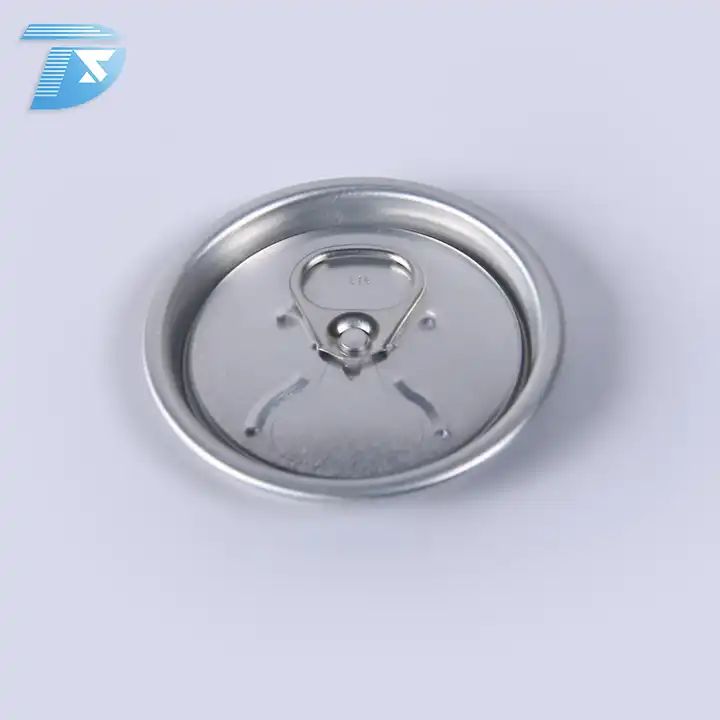
EOE lid
Related information
CONTACT US.CONTACT US.
Shaoxing Tongshide Imp.&Exp. Co., Ltd.
Whatsapp:+86-15215927772
E-mail:alibaba@tongshide.com
Add:Room 1111, No.4 Business Building Paozhong North Road, No.204, West Zone of Nanan Garden, Paojiang, Shaoxing

Scan to add WeChat


